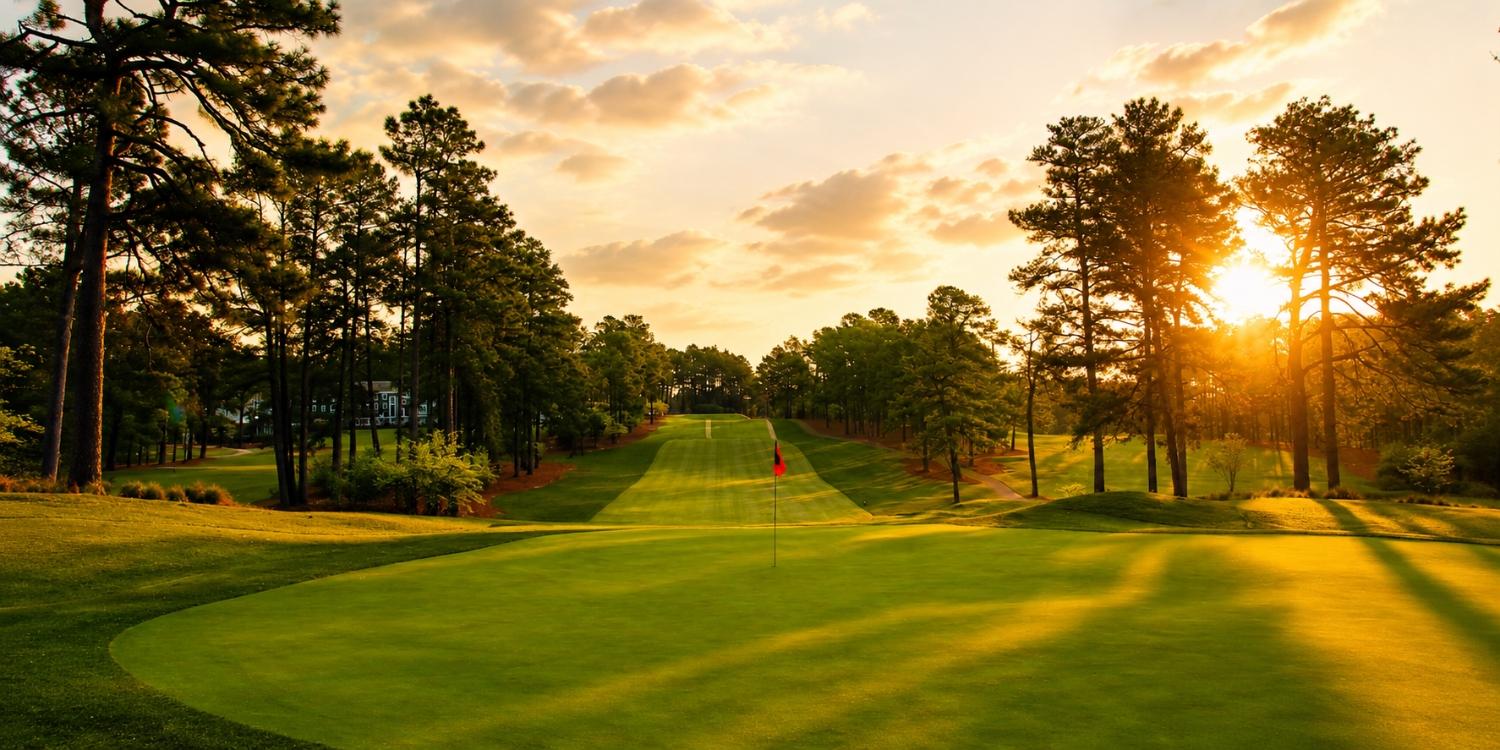
Pinehurst's second act - why North Carolina's Sandhills are booming again
By Brian Weis
If you've ever driven into the North Carolina Sandhills with a trunk full of polos and a long weekend circled on the calendar, you know the feeling: the longleaf pines tighten, the air turns a little drier, and suddenly you're in a place where golf is less an activity than a local language. For decades, that language began and ended with a single name - Pinehurst - and a single course: No. 2.
Now the Sandhills are in the middle of something bigger - a multi-front expansion that looks, increasingly, like a modern golf economy rather than a single iconic resort town. New-build golf is arriving on land once torn open by industrial sand mining. A national governing body has planted a permanent flag here. Independent owners are investing in lodging, food and beverage, and classic courses across Moore County. And tourism officials are positioning the region to keep momentum long after the roars of the 2024 U.S. Open faded.
The Sandmines: A New Kind of Pinehurst Expansion
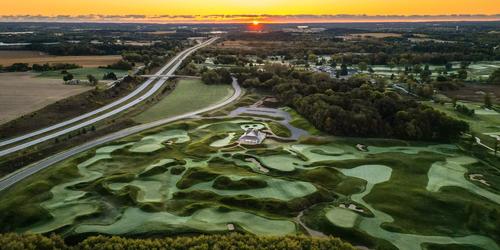
The most visible signal of the new era is Pinehurst's "Sandmines" property - a 900-acre tract south of the village that once served as a sand mine, later as the famously rugged "The Pit," and now as the setting for Pinehurst's latest golf ambitions.
Pinehurst Resort opened No. 10 in 2024, a Tom Doak design that immediately landed on architecture travelers' must-play lists and broadened the resort's appeal beyond the traditional No. 2 pilgrimage.
But the bigger story is what comes next. Pinehurst No. 11 - designed by the duo of Bill Coore and Ben Crenshaw - is under construction and slated to open in 2027. The resort has also telegraphed a broader "coming this year" push for 2026, including new dining and retail additions designed to make Pinehurst feel less seasonal and more like a year-round campus.
Importantly, the Sandmines project is being built as "pure golf" - a phrase that resonates in a market where new courses are often paired with real estate. Pinehurst's play is different: invest in golf that draws destination travelers, then build the supporting ecosystem (shop, restaurant, lodging over time) to capture longer stays and repeat visits.
The USGA's Pinehurst Bet
While Pinehurst expands on-course, the game's governing infrastructure has expanded off it. USGA opened its new headquarters campus in Pinehurst - Golf House Pinehurst - alongside the USGA Experience and World Golf Hall of Fame, a public-facing attraction intended to make the destination more than a resort visit.
For the Sandhills, this matters in a way that goes beyond symbolism. A permanent USGA presence helps stabilize year-round visitation and elevates the region's relevance to the broader golf industry - equipment, rules, championships, junior development, and the media ecosystem that follows it. In plain business terms, it's another anchor institution that keeps Pinehurst in the national conversation even in non-major years.
Investment Spreads Beyond the Resort Gates
What makes this moment feel different from past booms is how much activity is happening outside Pinehurst's direct orbit.
One major storyline is the continued reinvention of classic properties - the kinds of places golfers have long loved for the Ross bones but tolerated for dated lodging and limited amenities. That's changing as outside hospitality groups and local owners chase a higher-end "stay-and-play" expectation shaped by destinations like Bandon Dunes and Streamsong.
Another is consolidation. In a fragmented market of golf properties, the owners who can package multiple courses, reliable accommodations, and an improved food-and-beverage experience can compete harder for the traveling golfer - especially the buddy trip crowd coming from the Midwest and Northeast.
It's not only about luxury, either. The Sandhills economy has always depended on volume - groups returning year after year - and smart operators are increasingly balancing premium offerings with accessibility, aiming to keep the "everybody can come" feel that helped build the region in the first place.
Tourism Numbers Make the Argument
The money is showing up in the countywide math. Moore County reported $860 million in visitor spending for 2024, ranking among North Carolina's top tourism counties.
That's the kind of topline figure that changes how developers, restaurateurs, and hospitality operators look at a market. It also gives tourism officials leverage: when you can point to rising lodging and food-and-beverage spending, it's easier to justify new marketing, infrastructure improvements, and the kind of downtown vitality that turns a "golf weekend" into a broader lifestyle trip.
For travelers, this is part of what makes the Sandhills increasingly compelling: you can still build a trip around pure golf, but the off-course options - dining, a museum-quality Hall of Fame experience, and more varied lodging - are becoming reasons to extend the stay.
What It Means for Golfers Planning a Trip
So how should a traveling golfer think about the North Carolina Sandhills right now?
First, the center of gravity is expanding. The classic Pinehurst core is still essential - No. 2 remains the soul of the destination - but the Sandmines gives the region a second "must-see" node, with a different aesthetic and energy.
Second, the destination is becoming more future-proof. The USGA campus signals permanence. Tourism spending signals stability. New golf signals confidence. And when you see multiple operators investing at once, it often indicates a market transitioning from "hot moment" to "long-term engine."
Finally, this is a rare window when you can feel a place changing in real time - new corridors being cut through pine, new kitchens and dining rooms being reimagined, and new visitors arriving not just to play a famous course, but to see what the Sandhills will become next.
For the first time in a long time, Pinehurst isn't the only headline - it's the lead sentence in a longer story about the business of golf, and why the Sandhills may be built for the next decade of American golf travel.
Revised: 05/07/2026 - Article Viewed 148 Times
About: Brian Weis
 While Brian Weis has made a name for himself in the golf world, he also appreciates the finer things in life—like a world-class spa treatment after a grueling 18 holes (or even after a casual round where the only thing working hard was his golf cart). A self-proclaimed "golfer who enjoys relaxation more than practice," Brian has developed a deep appreciation for massages that unknot his questionable swing mechanics, saunas that sweat out a few too many post-round drinks, and infinity pools with views as stunning as a well-manicured par 3.
Brian’s spa journey began as a reluctant tag-along to couples' massages and resort spa packages but quickly evolved into a full-fledged appreciation for hot stone therapy, deep-tissue recovery, and the occasional seaweed wrap (don’t knock it till you try it). Now, he seeks out the best spa retreats, thermal baths, and relaxation havens wherever his travels take him—whether it's a luxury golf resort with a five-star spa or a hidden wellness gem perfect for unwinding in style.
On SpaTrips.com, Brian shares his experiences, reviews, and insider tips on the best places to soothe sore muscles, indulge in rejuvenating treatments, and find true relaxation—whether you're a hardcore golfer in need of recovery or just someone looking for the ultimate escape. After all, what’s the point of a bucket list golf trip if you can’t top it off with an expert massage, a hot soak, and maybe even a ridiculously plush robe"
Follow Brian Weis:


Contact Brian Weis:
GolfTrips.com - Publisher and Golf Traveler
262-255-7600
More Articles by Brian Weis
Get Social